> For the complete documentation index, see [llms.txt](https://docs.buildings.ability.abb/collection/llms.txt). Markdown versions of documentation pages are available by appending `.md` to page URLs; this page is available as [Markdown](https://docs.buildings.ability.abb/collection/english-v14/academy/eliona-als-ticketing-plattform/anleitung-aus-sicht-admin.md). Agents can also search and read this documentation through its [MCP server](https://docs.buildings.ability.abb/collection/~gitbook/mcp).
# Guide from the admin perspective
As an administrator, you are responsible for configuring and managing the ticketing system. To perform these tasks, you need either the system role «System admin» or «System owner». These roles grant you all the necessary permissions to set up and manage ticketing in Eliona.
## Create project
If you are working with a new Eliona instance, use the existing project for ticketing. If an Eliona instance already exists, you must first create a new project in the settings.[ ](https://docs.buildings.ability.abb/collection/english-v14/getting-started/1.-benutzer-and-projekte-anlegen/ein-projekt-erstellen.md)[->Create a project](https://docs.buildings.ability.abb/collection/english-v14/getting-started/1.-benutzer-and-projekte-anlegen/ein-projekt-erstellen.md)
## Tags
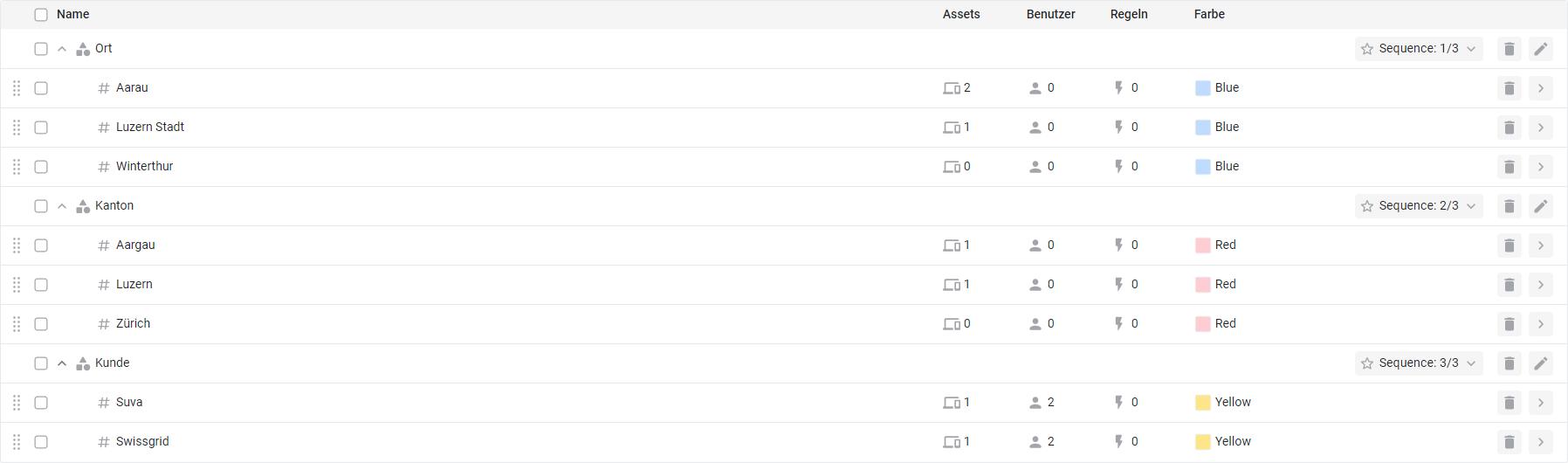
After the project has been set up, create the required tags. These are used to show users only their own tickets and to filter and sort the assets efficiently. At least one tag must be created for each customer. Additional tags help improve clarity and make it easier to search for assets and users. [>Tags](https://docs.buildings.ability.abb/collection/english-v14/documentation/tags.md)
Tags
## Users
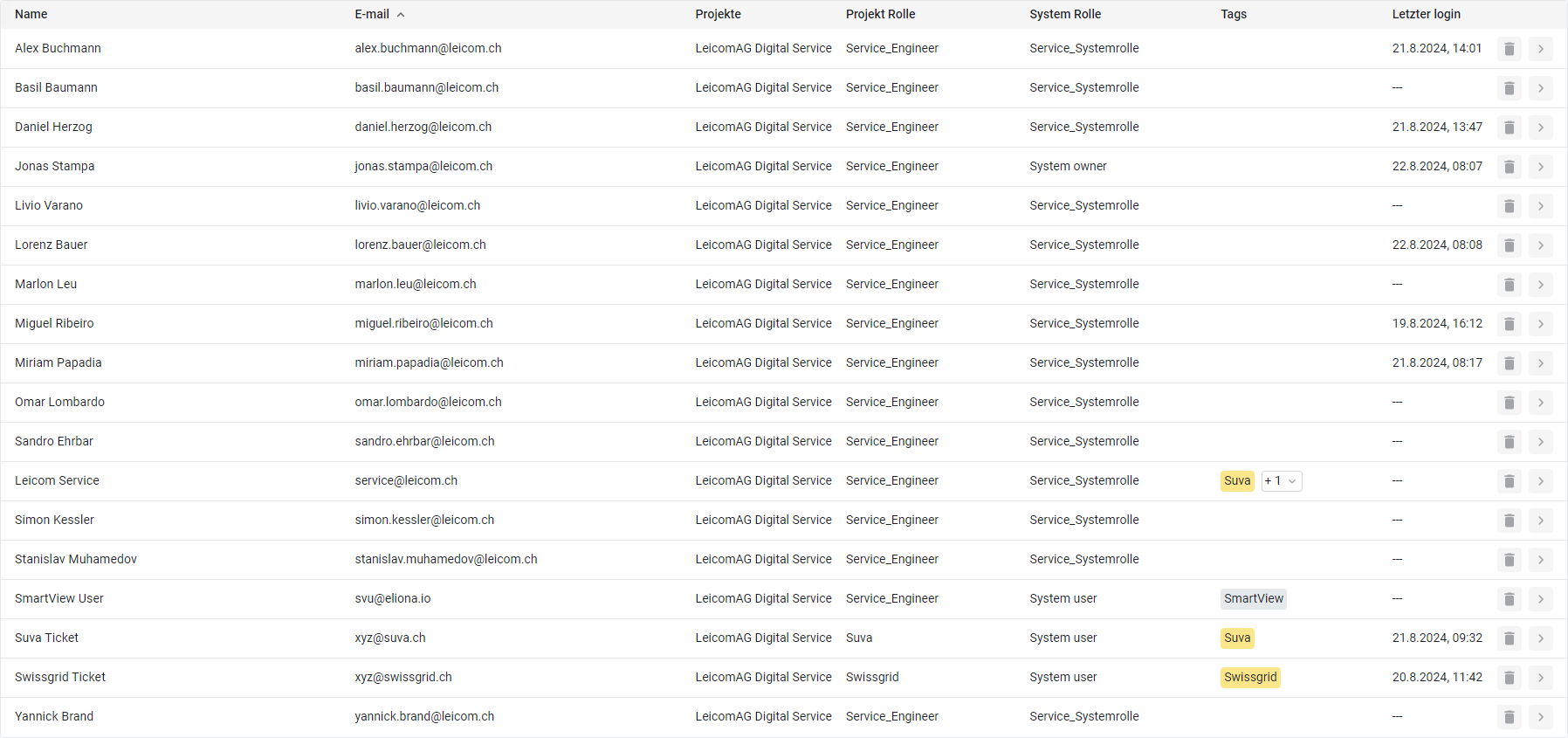
Each customer receives an individual login or user account, and if needed, multiple. For the service team, an individual user is also created for each employee. In addition, there is a general service user whose task is to distribute tickets to the right employees. If there is only one service employee, this mechanism is not necessary. For better overview, the tags created earlier are assigned to the customer's users. [->Users](https://docs.buildings.ability.abb/collection/english-v14/documentation/benutzer.md)
Users
## Roles
A special role is created for service employees that makes all tickets visible to everyone. Their own tickets can be found through filters. If not all tickets should be visible to all service employees, additional roles must be created. The service employee role needs the permissions to manage, write, and read tickets, as well as the permissions to write and read assets. The required permissions can be adjusted depending on the application.
Each customer receives their own role, which only has access to their own tags. In principle, the customer only needs the permission to read and write tickets and to read assets. These permissions can be further adjusted depending on the requirements and existing dashboards. [->Roles](https://docs.buildings.ability.abb/collection/english-v14/documentation/rollen.md)
Roles
## Assets
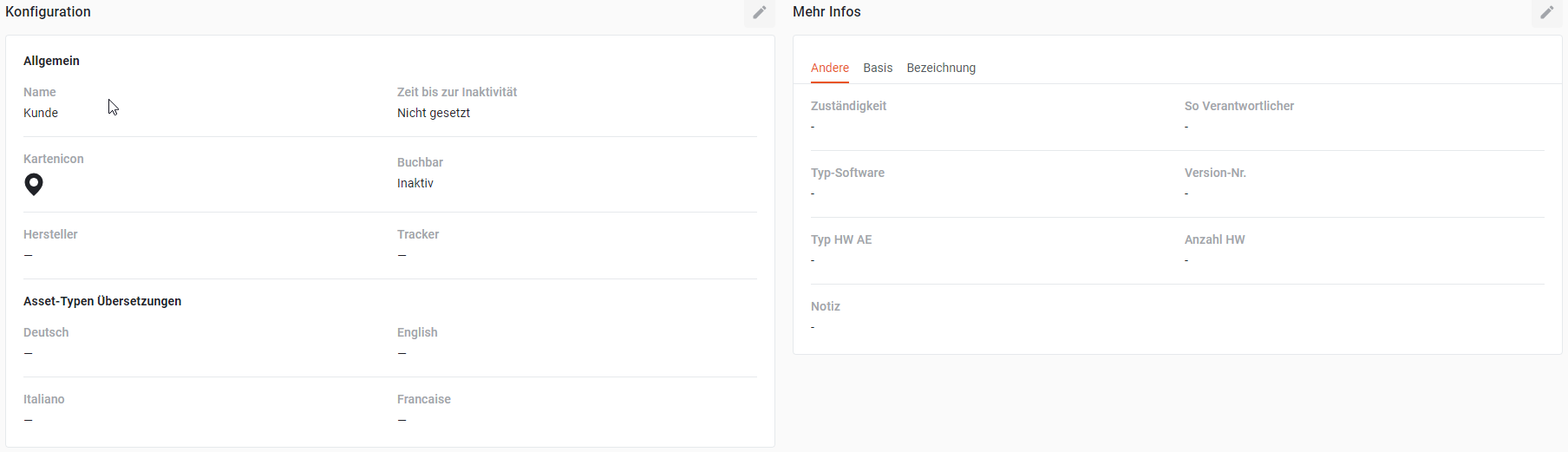
Service objects are created as assets. These can include individual devices or entire buildings. Depending on the permissions assigned, the assets are recorded either exclusively by the administrator or also by the service employees. It is important that the assets are assigned the customer-specific tags so that they are assigned to the correct customer. All important information about the service object is entered in the asset. Additional fields can be added via asset modeling if needed to capture extra information. [->Assets](https://docs.buildings.ability.abb/collection/english-v14/documentation/assets.md)
Asset modeling
---
# Agent Instructions
This documentation is published with GitBook. GitBook is the documentation platform designed so that both humans and AI agents can read, navigate, and reason over technical content effectively. Learn more at gitbook.com.
## Querying This Documentation
If you need additional information that is not directly available in this page, you can query the documentation by asking a question.
Perform an HTTP GET request on the following URL with the `ask` and `goal` query parameters:
```
GET https://docs.buildings.ability.abb/collection/english-v14/academy/eliona-als-ticketing-plattform/anleitung-aus-sicht-admin.md?ask=&goal=
```
`ask` is the immediate question: it should be specific, self-contained, and written in natural language.
`goal` is what the user is ultimately trying to achieve, the reason they need the answer. Sharing it helps GitBook give you a better, more relevant answer. A goal is most helpful when it describes the outcome the user wants rather than restating the question. For example, with `ask=how do I create an API token`, a goal like `automate deployments from our CI pipeline` lets GitBook tailor the answer to that use case.
The response will contain a direct answer to the question and relevant excerpts and sources from the documentation.
Use this mechanism when the answer is not explicitly present in the current page, you need clarification or additional context, or you want to retrieve related documentation sections.